Storage Tips
- Short-term storage (a few weeks to a couple months) between moves
- Vehicles, boats, trailers, and lawn equipment
- Metal tools, ladders, and construction materials
- Outdoor patio furniture and grills
- Plastic bins of non-perishable, non-fragile goods
- Anything already stored in an unconditioned garage or shed without problems
- Tight budget where the price gap matters more than the risk profile
- Perishable food, plants, animals
- Gasoline, propane, paint, fireworks, chemicals
- Anything running on a battery that could leak
- Photograph your electronics before disconnecting them. Reassembly is much easier when you can see how it went together.
- Empty and dry all appliances, then leave the doors slightly ajar. A sealed refrigerator with any moisture inside will smell like a science experiment in three months.
- Bag the hardware from disassembled furniture and tape it to the piece it came from. Bed frames and table legs turn into puzzles otherwise.
- Drain fuel and fluids from mowers and power equipment. It's a safety requirement, not just good practice.
- Wash clothing and linens before storing. Body oils and food residue attract pests and set into permanent stains over time.
Visit every couple of months. A quick check catches small problems — a leak, a pest, a shifted stack — before they become expensive ones.
Check your insurance. Many homeowners and renters policies extend some coverage to stored belongings, but limits vary widely. Confirm before you assume. We also provide insurance if you do not have pirvate insurance. it is a requirment.
Clearly label every box on multiple sides with its contents and the room it belongs in. Taking a few extra minutes to organize and label your boxes will make it much easier to find what you need without unpacking your entire unit. Make sure to be descriptive on your boxes as well, do not just put kitchen put what kind of items they are from your kitchen so its easier to find when you pull a box out.
Always place heavier boxes and larger items on the bottom, with lighter and more delicate belongings stacked on top. This helps prevent damage, keeps your stacks stable, and makes your storage unit safer to access.
Instead of filling every inch of your storage unit, leave a small walkway down the middle so you can easily reach items stored in the back. Place the belongings you use most often, such as seasonal decorations, tools, or household essentials, near the front of the unit. Store items you rarely need, like holiday decorations or boating equipment, toward the back. This simple organization tip saves you time and prevents you from having to unload your entire unit just to reach one box.
Take advantage of the full height of your storage unit by stacking sturdy boxes and using shelving when possible. Disassembling larger furniture, such as tables and bed frames, can also create more usable space and keep your unit organized. Also if you are storing cabinets or something that can open, put smaller more fragile items in there to keep them from breaking.
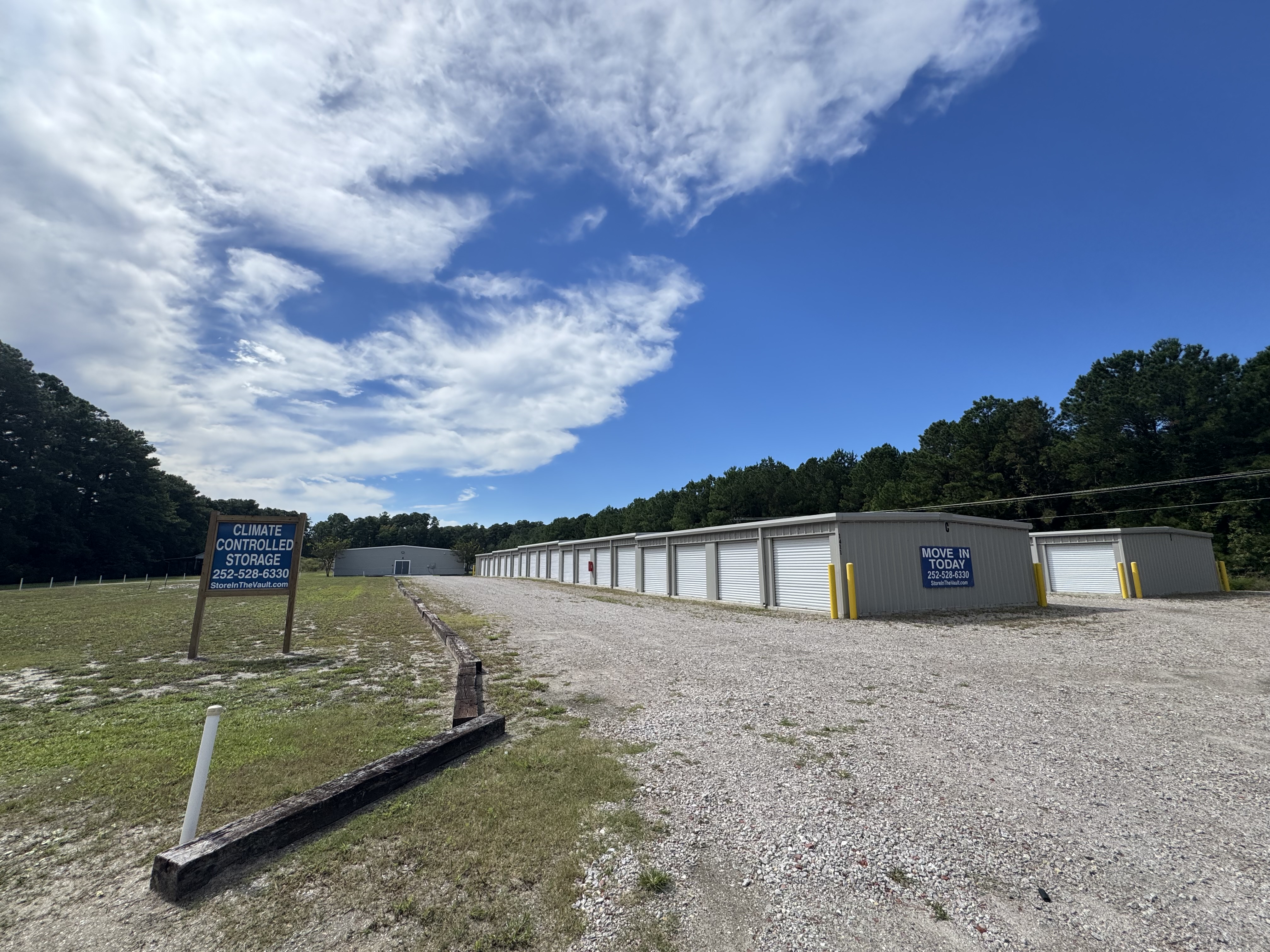
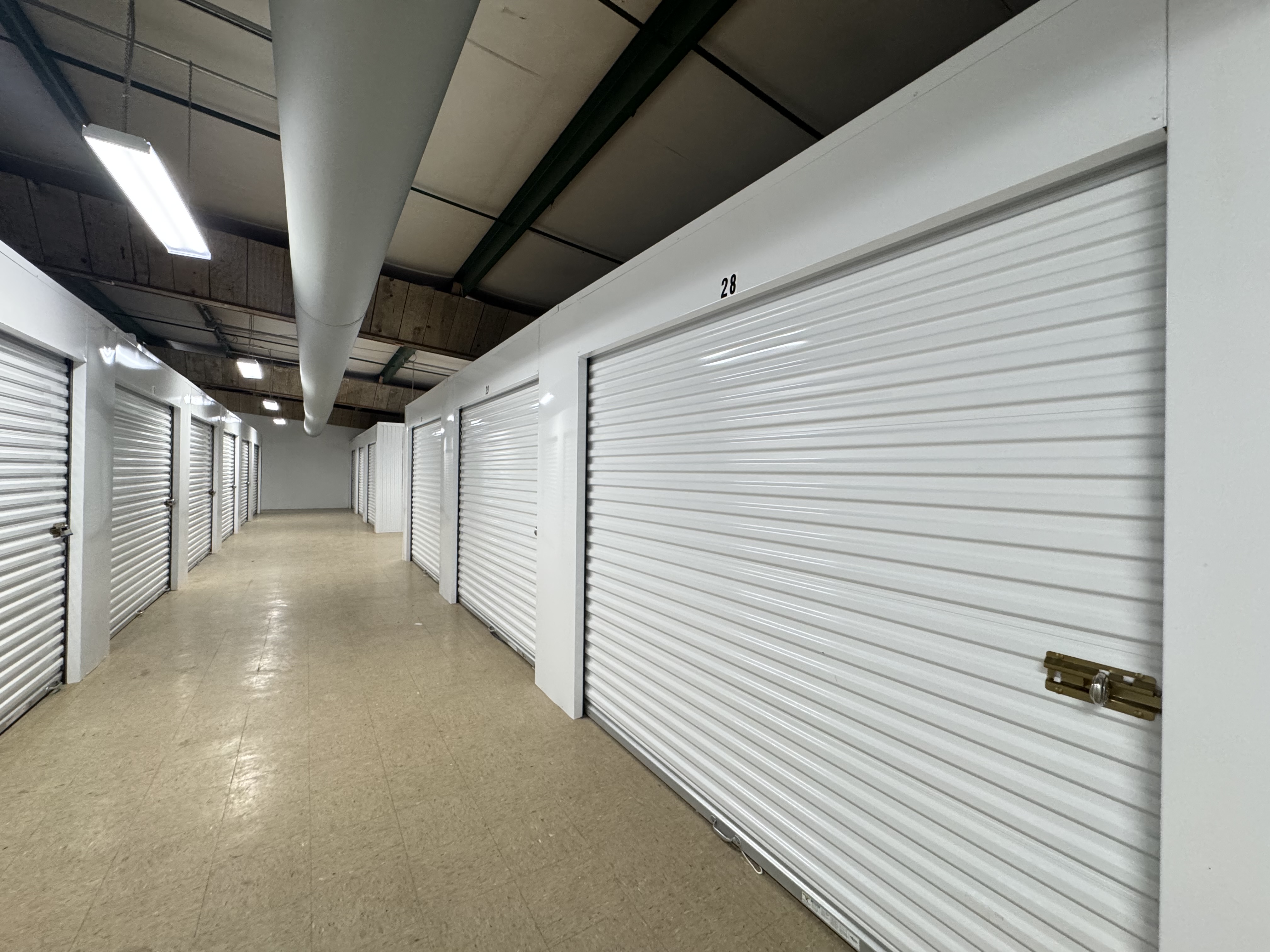
If you plan on having your unit for longer peroids of time and are storing furniture or valuable items that you do not want messed up with humidity we would highly recommend climate controll units. It provides an extra layer of protection for those items.
Huricane Prep
Storing in a coastal town
Hurricane season runs June through November, and the time to make a storage plan is before a storm is named, not when the forecast cone is already over us. Once a watch is issued, roads get busy and so do we.
Living on the coast means being prepared for more than just hurricanes. Heavy rain, flooding, high winds, and unexpected storms can all create situations where having a secure place for your belongings becomes especially important.A little planning ahead can make a big difference. Whether you are storing outdoor furniture, business equipment, seasonal items, vehicles, or belongings you simply want to keep out of the weather, having a storage unit ready means one less thing to worry about when a storm is approaching.
Don’t wait until the last minute. If you know you’ll need extra space during hurricane season, plan ahead and get your storage situation handled before the next storm is on the way.
A few things worth knowing:
1. Pack important documents in a waterproof container regardless of where they're going
2. Elevate everything off the floor on pallets, at home and in your unit
3. Bring your inventory list and photos up to date before the season starts — insurance claims go much more smoothly with them
4. Fuel and propane can't come with you into a unit, so plan for those separately
Be honest about limits. A storage unit is a sturdy, dry building, but no facility can guarantee that a major storm won't cause damage or flooding. Your renters or homeowners policy — or a tenant insurance plan — is what actually protects the value of your belongings. Check your coverage now, not after. And the most important part: if an evacuation order comes, go. Belongings can be replaced. Don't make a storage run your reason for staying.
Before You Arrive
A few minutes of prep saves a trip back home.
(all of this can be done on the phone as well)
- Have your ID ready. A valid driver's license, state ID, passport, or military ID. The name has to match the name going on the lease.
- Sort out your payment method. We accept [credit/debit, check, cash]. If you want to set up autopay, bring the card you'd like to use.
- Check your insurance. If you're using your own homeowners or renters policy, bring a copy of the declarations page showing coverage for stored belongings. If you don't have coverage, ask us about our tenant protection plan.
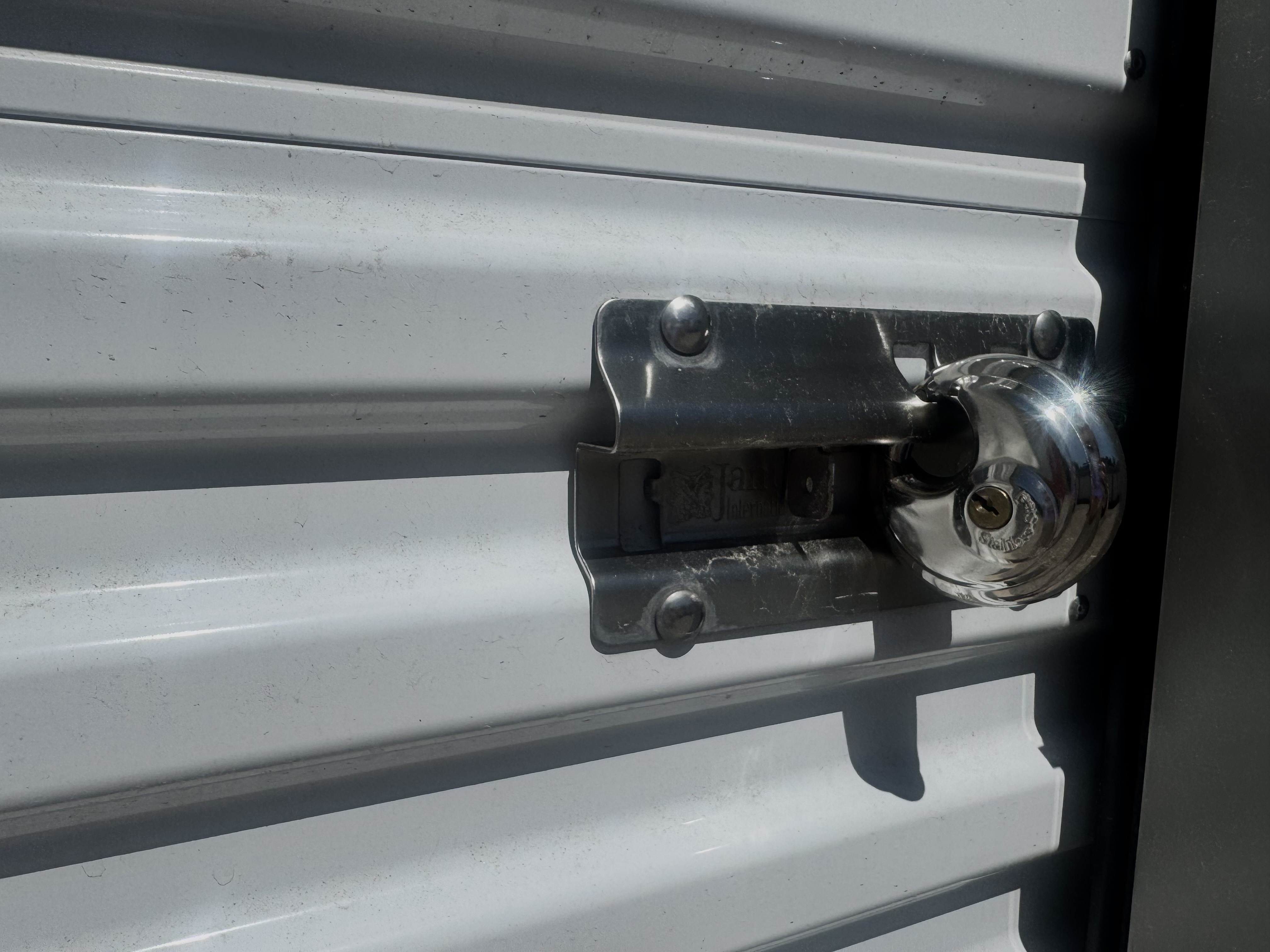
- Buy a lock, or plan to buy one here. We recommend a disc lock over a padlock — the shielded shackle is much harder to cut. We sell them in the office if it's easier.
- Have a second contact ready. We'll need a name, phone number, and address for your file.
On Move-In Day
- Bring the right gear. A dolly, furniture pads, and a second set of hands. We have carts available on site.
- Bring pallets or boards to keep your boxes off the concrete floor.
- Bring your inventory list and check items off as they go in. It takes five extra minutes and saves hours later.
- Test your lock on the way out. Give it a real pull to make sure it's fully engaged. A unit left unlocked is the most common preventable problem we see.
Questions before you come in? Call us at [phone] and we'll tell you exactly what you need for your situation.
Reserve your storage unit in under 5 minutes
No deposit. No long-term contract. Cancel anytime. Lock in today's rate online.