
Sizing
What Size Unit do you Need?
Picking the right size is the hardest part of renting storage, and most people guess wrong in one direction or the other. Too small and you're renting a second unit a month later. Too large and you're paying for empty air. Use this guide to get close, then call us — we'll walk the sizes with you before you commit, and it takes about five minutes.
Storage Calculator
Bed, King Size
approximately 70 cubic feet
Bed, Double Size
approximately 55 cubic feet
Bed, Single
approximately 40 cubic feet
Bed, Bunk (set of 2)
approximately 70 cubic feet
Dresser, Chest of Drawers
approximately 30 cubic feet
Cedar Chest
approximately 15 cubic feet
Ironing Board
approximately 10 cubic feet
Side Tables
approximately 10 cubic feet
Wardrobe Boxes (30 hangers)
approximately 10 cubic feet
Mirror
approximately 10 cubic feet
Size Suggestion
To receive a size suggestion, select the items you wish to store.
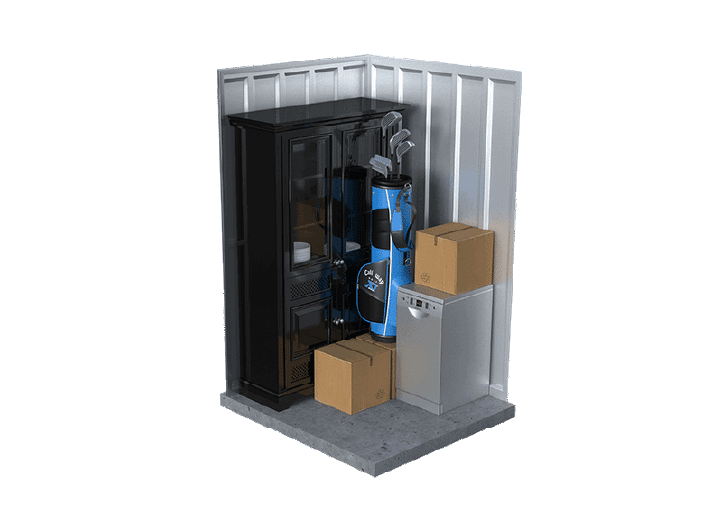
A Quick Way to Estimate
Count the rooms you're clearing out, not the individual boxes. As a rough rule:
- One room of furniture and boxes — 5x10
- A one-bedroom apartment — 5x15 to 10x10
- A two-bedroom home — 10x15
- A three-bedroom home — 10x20
- A four-bedroom home or a business inventory — 10x30
Appliances, exercise equipment, and anything oversized push you up a size. Tightly packed uniform boxes buy you room back.
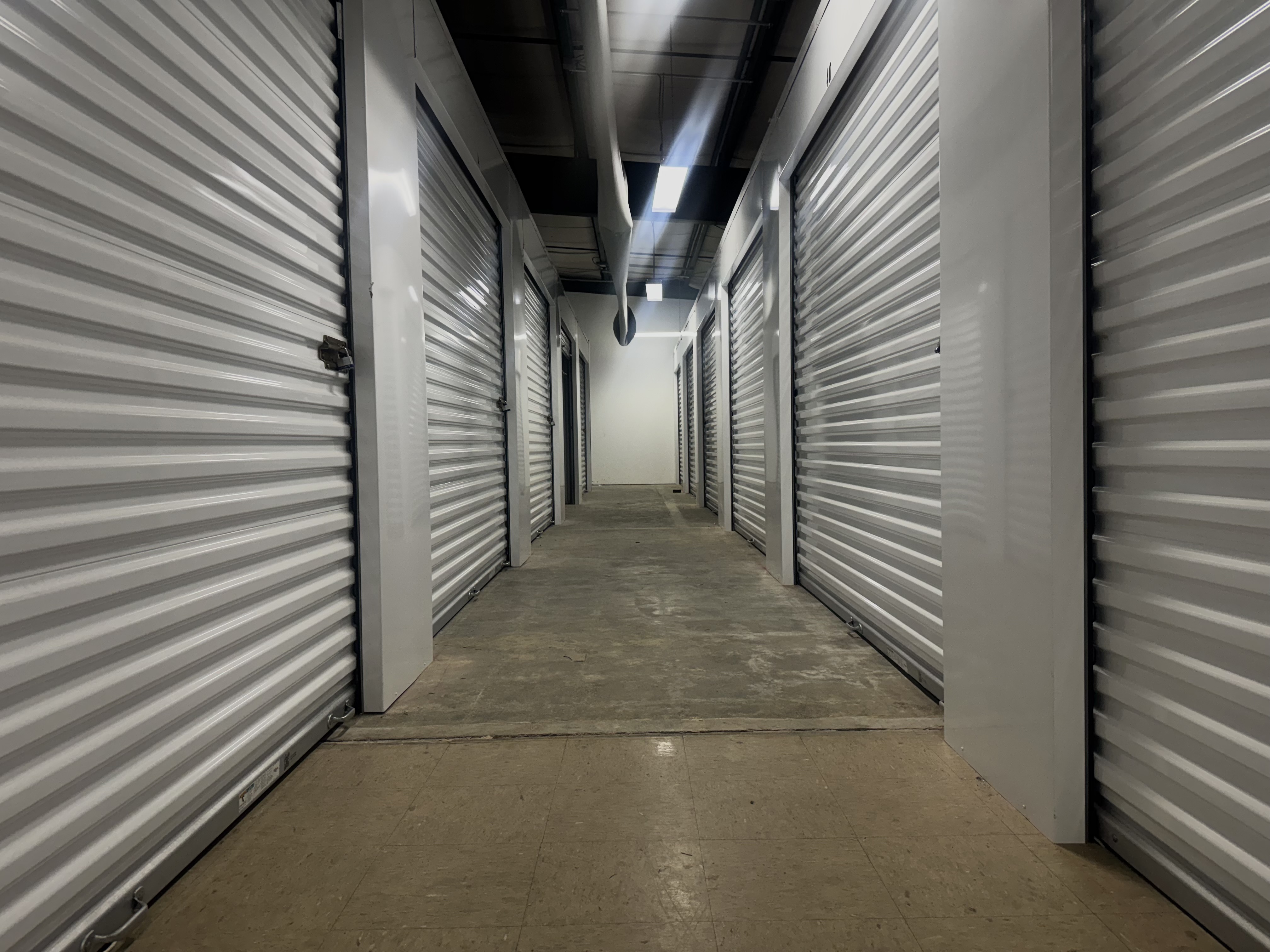
Three Things People Get Wrong
They forget about height. Most units are 8 feet tall, and almost nobody uses the top half. Stacking properly can nearly double what a unit holds — which often means a smaller unit does the job. They don't leave an aisle. If you'll be visiting the unit, you need a walkway to reach the back. Budget for that space when you're estimating, or plan on unloading everything every time. They pick based on square footage alone. A 5x15 and a 10x10 are both close to the same area, but they behave very differently. Long, narrow units suit furniture and long items; square units suit stacked boxes and give you more usable wall space.
_07212026135638251.jpeg)